St Agnes is a place for those who like their adventures wind-brushed and wave-laced.
First Impressions: The Western Frontier
Landing on St Agnes feels like stepping back a few decades. There are no cars, no rush hour, no neon distractions, just narrow sandy lanes, granite cottages and the constant hush of the Atlantic.
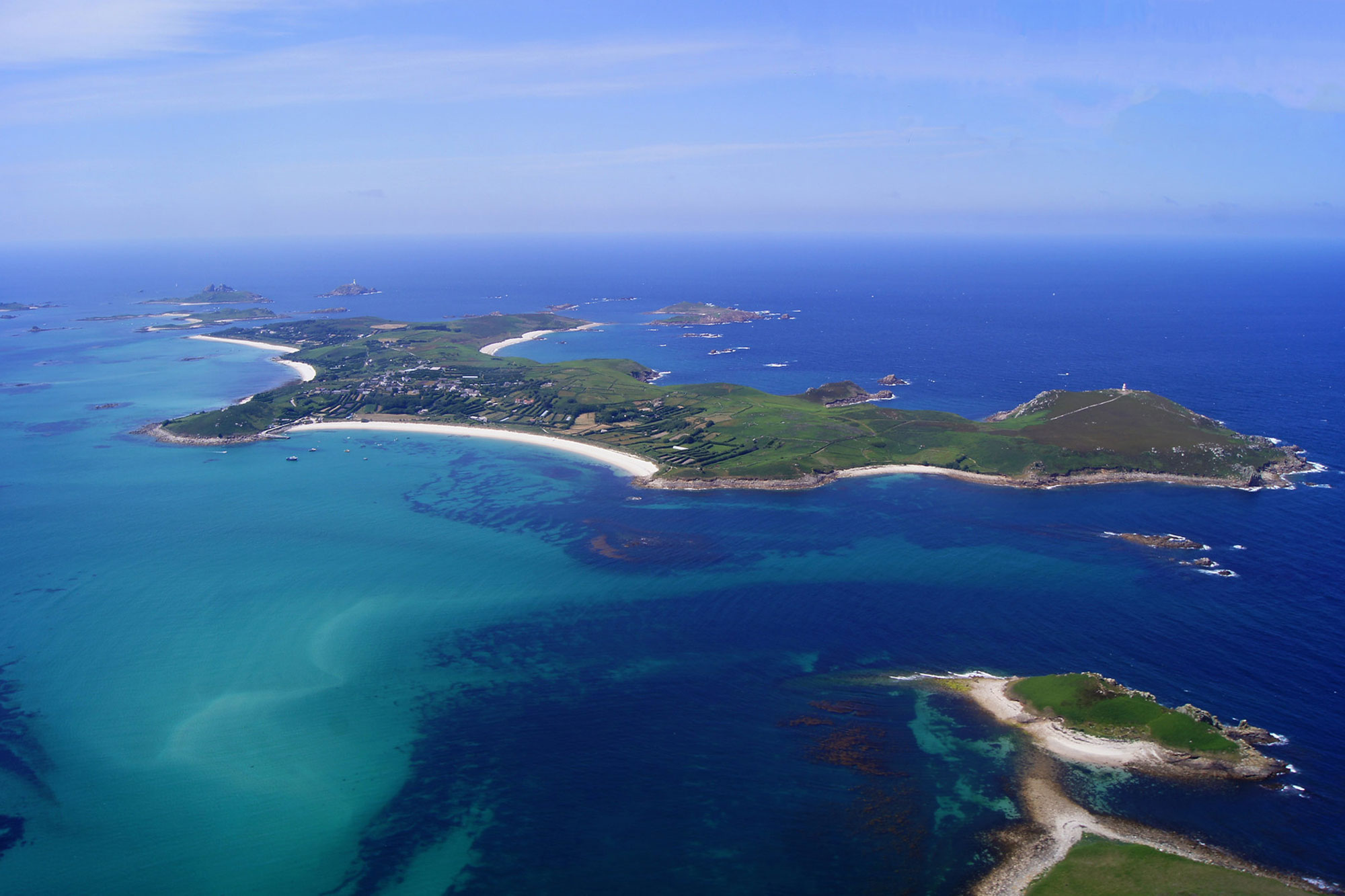
St Agnes is the most south-westerly inhabited island in the British Isles. From here, America feels closer than London. The light is astonishing, luminous, clean and endlessly shifting. It’s a photographer’s dream and a walker’s sanctuary.
Separated from the other islands by a deep channel, St Agnes is a tiny island, only about a mile across and with a population of 75, which nevertheless has its own pub, cricket team, gig crew, fire brigade and coastguard crew. There is a clear sense of isolation from the other islands.
This is often the first land encountered by migrating birds and as such it is a particularly spectacular spot for bird watching. St Agnes also has many archaeological sites, including the standing stone called ‘The Old Man of Gugh’.
Walking the Edge of England
The island is small enough to circle in a couple of hours, but you’ll want far longer. Coastal paths loop past heathland, rocky headlands and hidden coves. At Wingletang Down, heather and thrift ripple in the breeze. In spring and early summer, wildflowers scatter colour across the landscape.
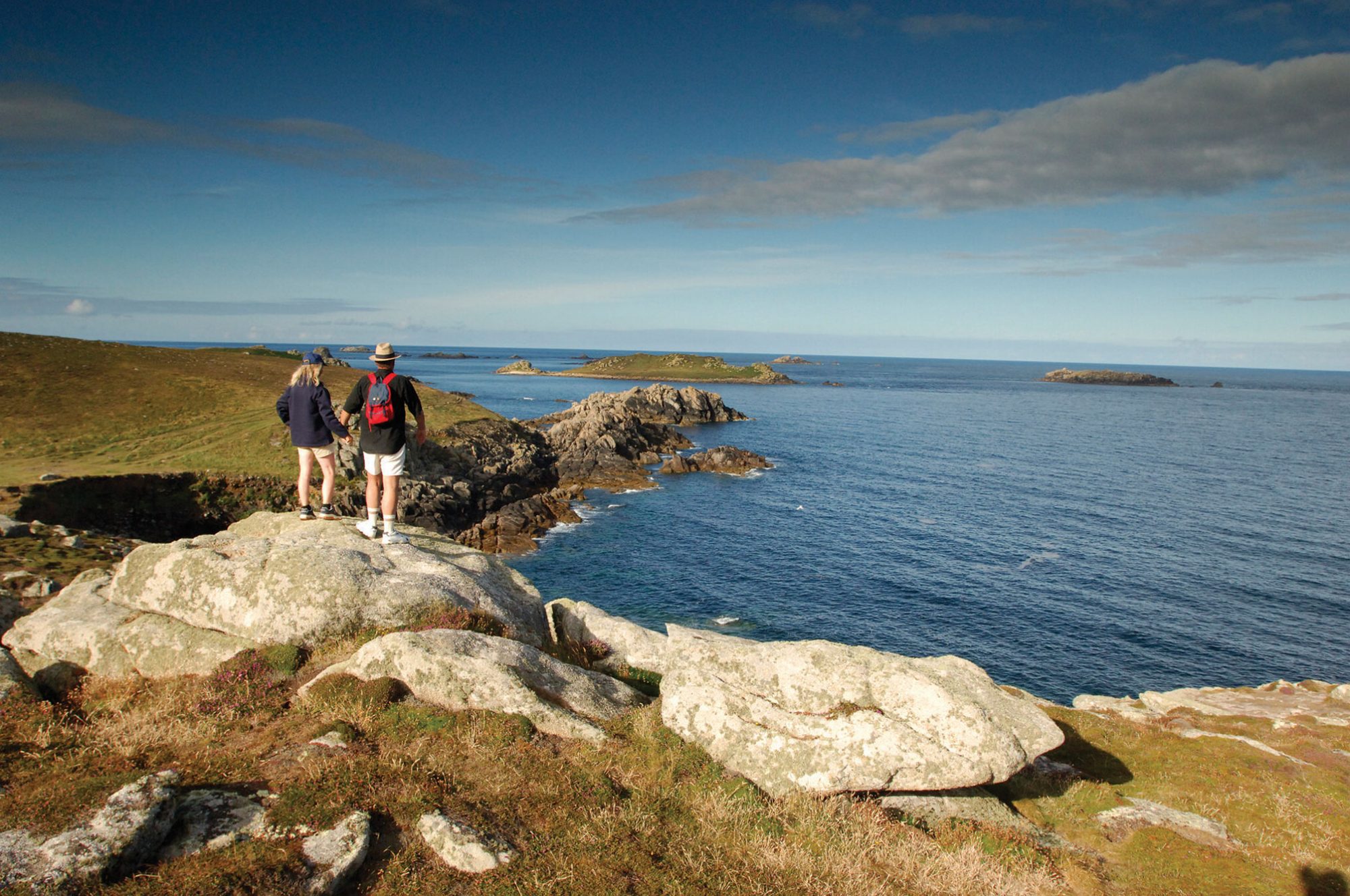
Climb to the Troytown labyrinth for panoramic views, or wander towards Periglis Cove where turquoise shallows lap gently against pale sand. On a clear day you can see across to the Western Rocks, dramatic, wave-battered outcrops that have claimed many ships over centuries.
The sense of space is extraordinary. Even in peak season, you can find yourself entirely alone with the wind and sea.
A Taste of Island Life
St Agnes may be small, but it is fiercely independent. The island is home to Britain’s most south-westerly pub, the Turk’s Head. It’s the kind of place where sandy boots are welcome and conversations drift easily between locals and visitors.
Just along the road you’ll find Troytown Farm, famous for its honesty stall and homemade ice cream. Cows graze nearby, and the flavours, often made from island ingredients, somehow taste better with salt still in your hair from a morning swim.
There’s a simplicity to daily life here. Post arrives by boat. Supplies are ferried in. Community matters.
Beaches Without Boundaries
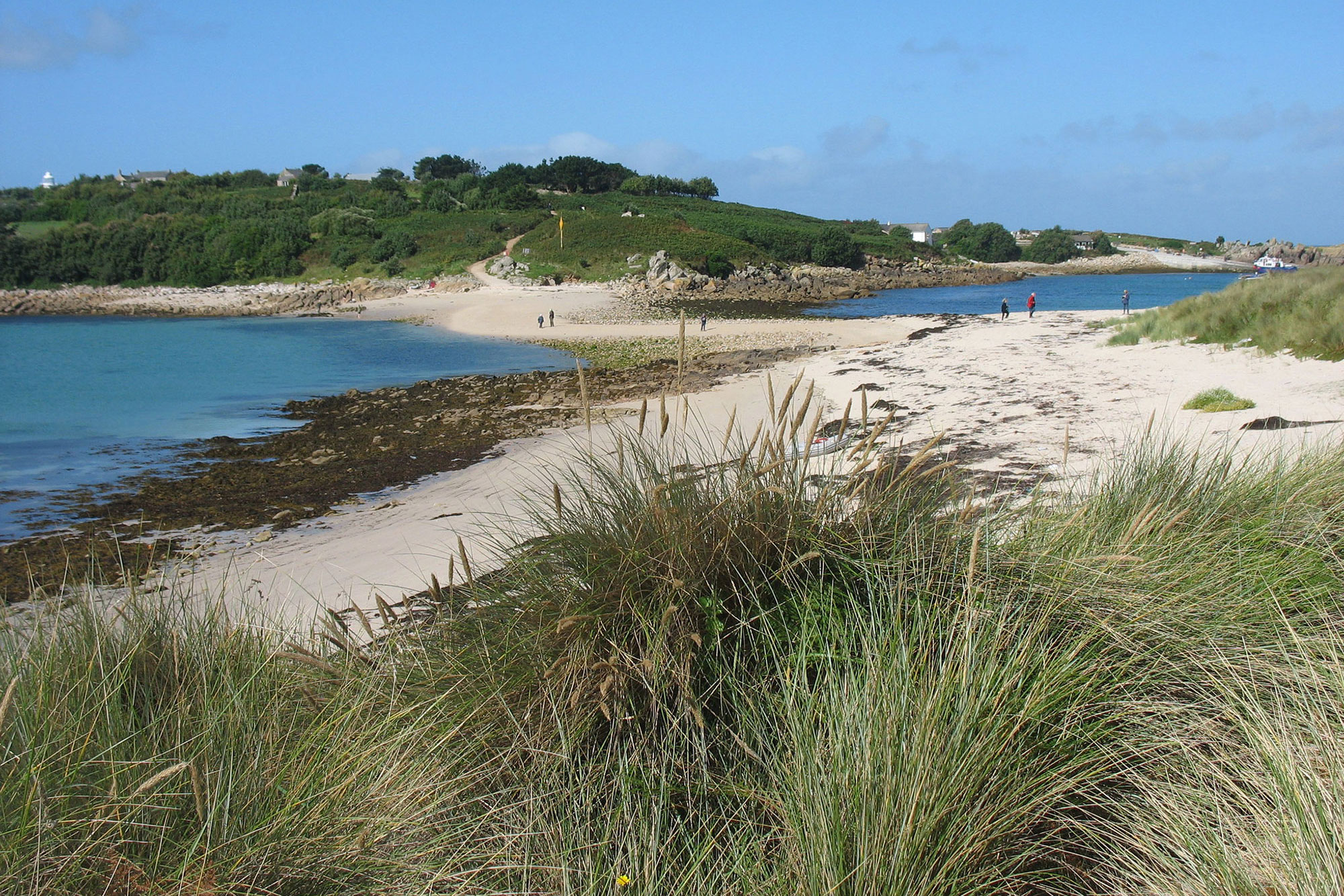
One of St Agnes’ quiet joys is its beaches. Periglis Cove offers calm, sheltered swimming, while Beady Pool, on the island’s wild western side, feels elemental and exhilarating. Depending on tides and weather, you can wander across the sand bar to neighbouring Gugh Island, a tidal island that adds an extra sense of adventure to your stay.
Swimming here is unforgettable. The water clarity rivals the Mediterranean on a good day, though the temperature is undeniably Atlantic. Brave the chill and you’ll feel wonderfully alive.
Sunsets and Stillness
As evening falls, St Agnes becomes something else entirely. The skies open wide. Sunsets flare orange and pink over the ocean, often uninterrupted by buildings or crowds. Sit on a granite outcrop with a flask or a pint from the pub and watch the light fade slowly into the sea.
With little light pollution, stars arrive in abundance. The Milky Way can shimmer overhead on clear nights, reminding you just how far you are from the mainland rush.
Why St Agnes?
While larger islands like St Mary’s offer bustle and facilities, St Agnes delivers intimacy and immersion. It’s for walkers, wild swimmers, artists, birdwatchers and anyone craving genuine escape.
A trip to the Isles of Scilly is always restorative. But a stay on St Agnes feels transformative, like discovering a secret you’re almost reluctant to share.
And as the boat pulls away at the end of your visit, the island shrinking into the Atlantic haze, you may find yourself already planning your return to England’s last frontier.