Crossing over: the journey begins
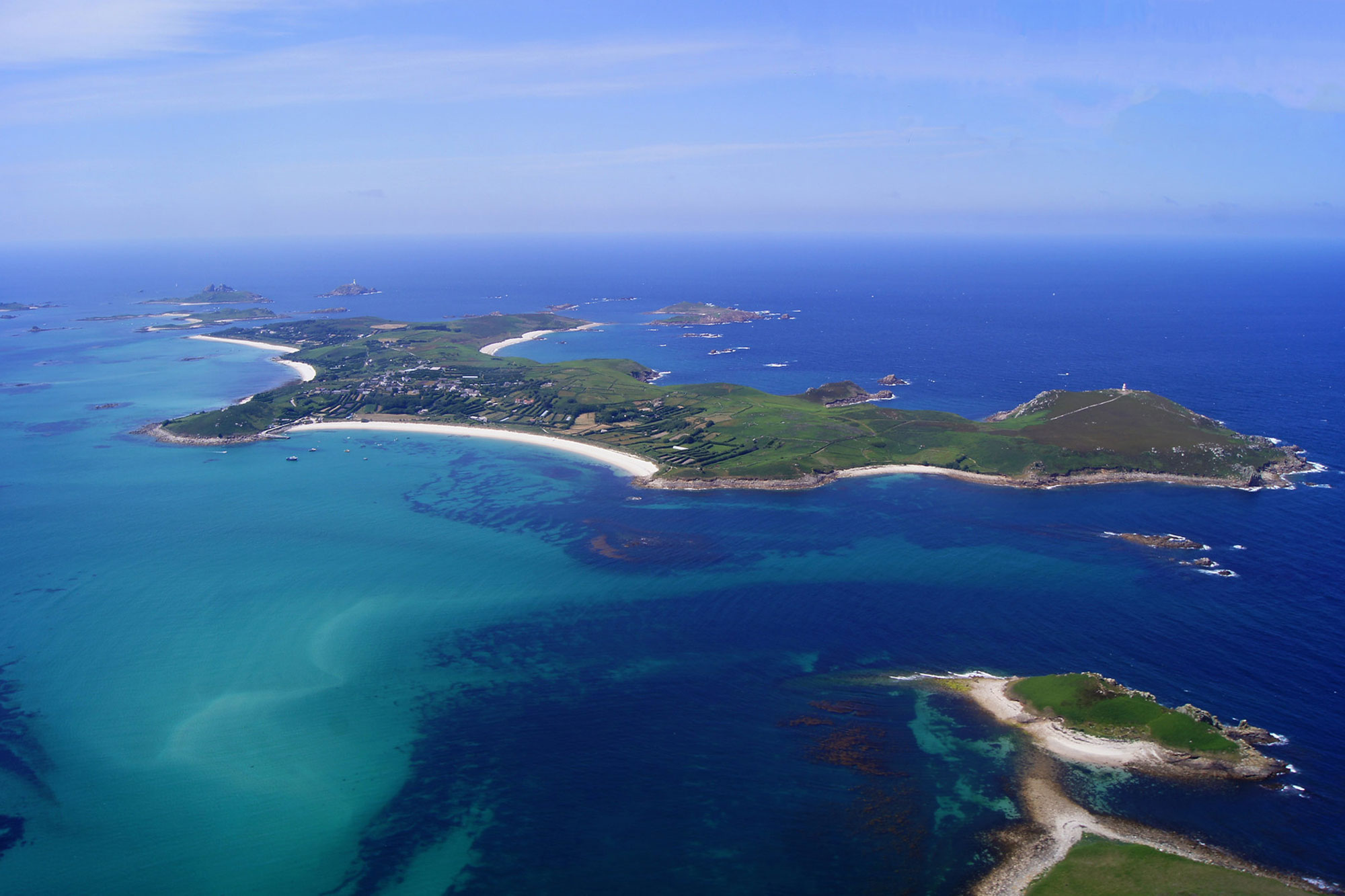
Getting to St Martin’s is part of the adventure. A small passenger boat cuts across turquoise water, hopping between islands like stepping stones. The sea here isn’t the dark Atlantic many expect; it shifts between Caribbean blues and glassy greens, especially as you approach St Martin’s.
There’s a sense of anticipation as the island comes into view, low-lying, edged with white beaches and crowned with heathland and scattered cottages.
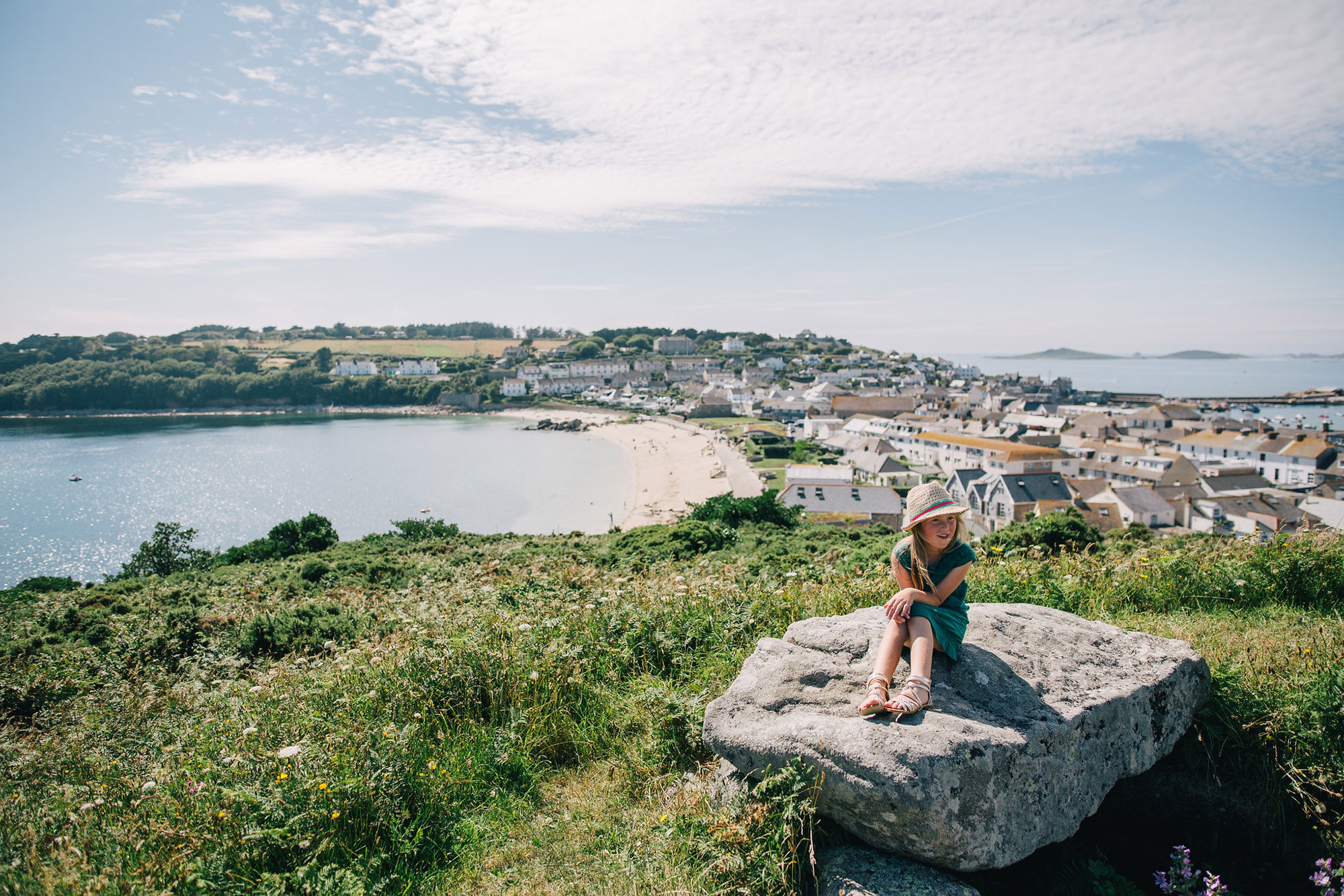
The island has two art galleries and its own vineyard as well as a daffodil farm which you can visit. St Martin’s is the third largest of the islands with three small hamlets – Higher Town, Middle Town and Lower Town – spread out along the two mile length of the island.
First impressions: a quieter rhythm
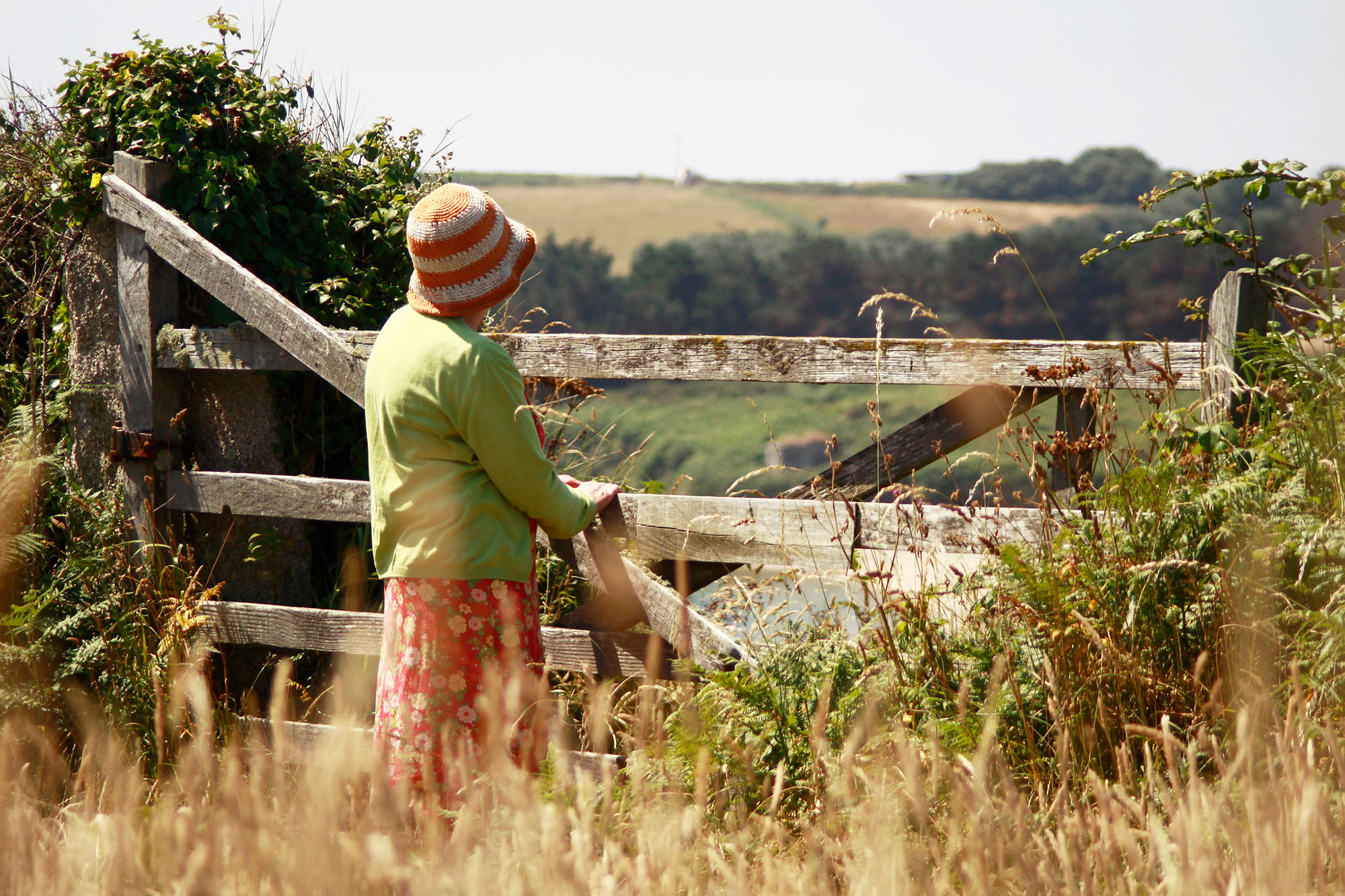
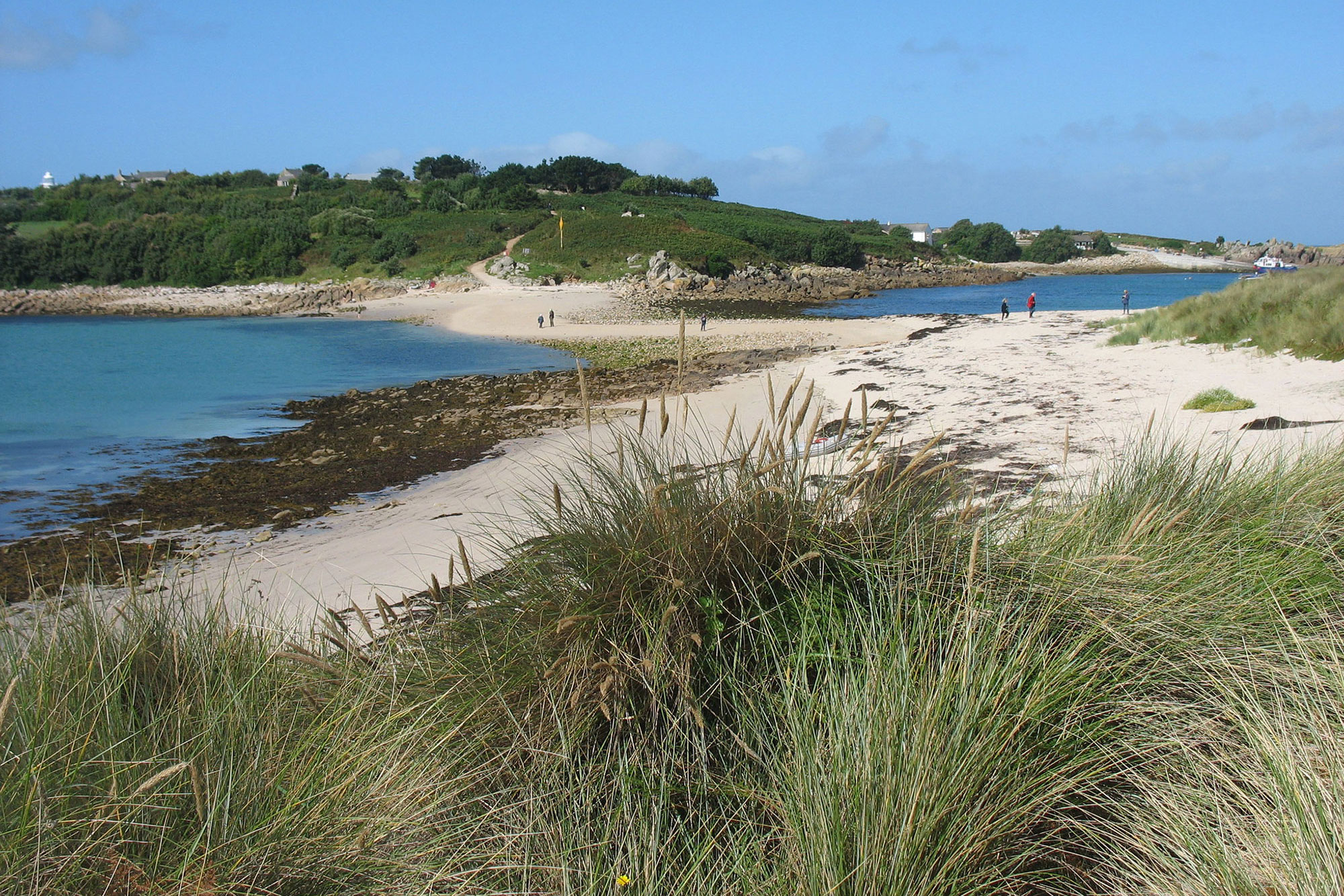
St Martin’s is not about hurry. There are no cars, only a handful of tractors and bikes. The moment you step ashore, everything slows down. Footpaths lead you almost instinctively toward the coast, where the island reveals its real character: long, empty beaches on one side, rugged granite and wildflowers on the other.
It’s one of the more peaceful islands in Isles of Scilly, and it feels like it has been designed for wandering rather than arriving.
Beaches that feel undiscovered
There is a great walk to Great Bay. Even on a sunny afternoon, there can be barely anyone there. The sand is soft and pale, and the sea shifts between calm shallows and deeper cobalt just a few metres out. It’s the kind of place where you lose track of time without noticing.
Further along the coast, Lawrence’s Bay offers a more sheltered swim, perfect for a dip when the tide is right. The water is clear enough to see your feet even when you’re waist-deep, and the temperature, warmed by the Gulf Stream, is surprisingly inviting.
Walking the island: wild, gentle, unforgettable
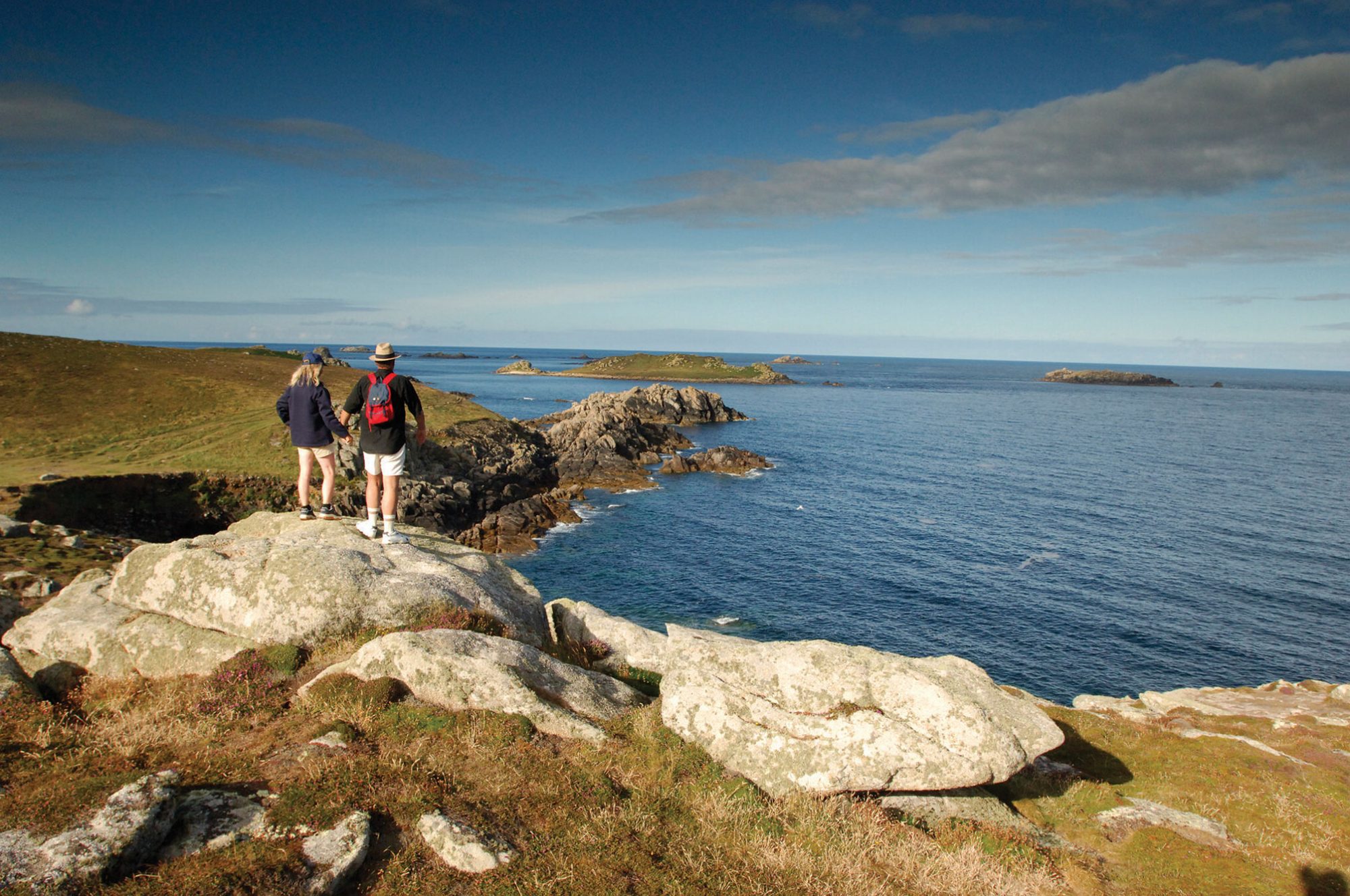
A circular walk around St Martin’s is one of the best ways to experience it. The inland paths are lined with heather, gorse, and wildflowers that change with the seasons. In spring and summer, the island feels almost overgrown with colour.
Birdlife is constant, with fulmars, oystercatchers, and occasional seals offshore. Looking out from the higher ground, you can see across to Tresco and Bryher, each island distinct yet part of the same quiet mosaic.
Food, drink, and island life
Despite its small size, St Martin’s has a welcoming, self-contained feel. Local produce features heavily, fresh seafood, island-grown vegetables, and simple, well-prepared meals that taste better for the sea air.
There’s a vineyard here too, one of the most surprising features of the island. The mild climate allows grapes to grow in sheltered pockets, producing light, coastal wines that seem to capture the essence of the place.
Evenings tend to be slow: a walk along the beach, a drink watching the light fade, and the sound of the sea filling everything else.
Why St Martin’s stays with you
What makes St Martin’s special isn’t just its beauty, it’s the stillness. It’s an island that encourages you to do less, notice more, and let time stretch out in a way that feels increasingly rare.
As the boat pulls away, the island shrinks into a low green line on the horizon. But it doesn’t really feel like leaving. More like carrying a quieter version of yourself back to the mainland.